
YOGA WAS AN ESSENTIAL PART OF
STANISLAVSKY'S STUDIOS (2nd part)
STANISLAVSKY'S STUDIOS (2nd part)
 http://in.rbth.com - For Stanislavsky - famous Russian actor and theatre director - the key moment in using yoga’s wisdom was the deep link of outward physical exercises and spiritual upbringing, the path to self-actualization through deliberate work on oneself. Stanislavsky’s use not only of yoga’s terminology, but also of its structural principles, is manifest in his understanding of the development of the creative individual as such. In discussions with actors he spoke about the steps of creativity that were common to everyone, “no matter what the time period or people’s individuality.”
 According to Stanislavsky, the first step was concentration; the second, awareness; the third, fearlessness and courage in creativity; the fourth, creative calm. Just as the first four steps of Hatha yoga are followed by a transition to the higher steps of Raja yoga.
 In Stanislavsky’s approach, after the four steps of “working on oneself” there is an achievement of higher artistic goals. The fifth step is “bringing to the greatest intensity all the forces of one’s feelings and thoughts that have overflowed into physical action.” The sixth step is related to the “artist’s cultivation of the stage attraction, the nobility with which he has purified the passions he portrays.” Stanislavsky spoke of the need for the person’s soul to free itself of passions. And finally, the “last step, without which one cannot live in art, is happiness.”
 Of course, it is impossible to say that everything Stanislavsky did followed Ramacharaka’s version of yoga. Stanislavsky’s teaching developed in dialogue with several sources, but it is obvious that yoga was among them and was one of the most important sources.

WHAT DO THE VEDIC TEACHINGS TELL US?
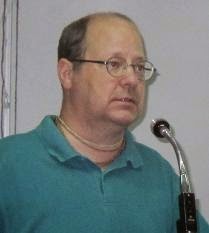 The meditation process begins with the means for calming the mind. That is the first principle of consideration. It is the state beyond the influence of the mind in which a person can first begin to perceive the spiritual dimension. [...] The basic practice of meditation also incorporates the eight steps known as yama (restraints), niyama (positive developments), asanas (postures), pranayama (breath and psychic energy control), pratyahara (withdrawal of the senses), dharana (focused attention), and then comes dhyana (meditation) followed by samadhi (a perfect flow of attention on something that provides a superconscious experience). When we meditate, we want a continuous flow of concentration toward the point or purpose of our attention. This process essentially involves reaching a state of pure meditation in which a person enters an uninterrupted flow of contemplation on God. Then, as one proceeds, the meditator loses all awareness of the body and external or sensual stimuli. Then you can enter the freedom to experience superconsciousness.
Dr Stephen Knapp (Śrīpad Nandanandana dasa) :
“Meditation - A Short Course To Higher Consciousness”
http://www.stephen-knapp.com
http://www.stephen-knapp.com/meditation.htm
“Meditation - A Short Course To Higher Consciousness”
http://www.stephen-knapp.com
http://www.stephen-knapp.com/meditation.htm
Published by dasavatara das - “Vedic Views on World News”
http://www.vedicviews-worldnews.blogspot.com.ar/
No comments:
Post a Comment